Featured
Temperature: what to define before logging starts
Location, sampling interval and data access: three decisions to prepare a temperature measurement campaign.

Blog · EIC Controls
Guides to choosing instruments and preparing data collection, based on applications in the catalogue.
Follow via RSSFeatured
Location, sampling interval and data access: three decisions to prepare a temperature measurement campaign.
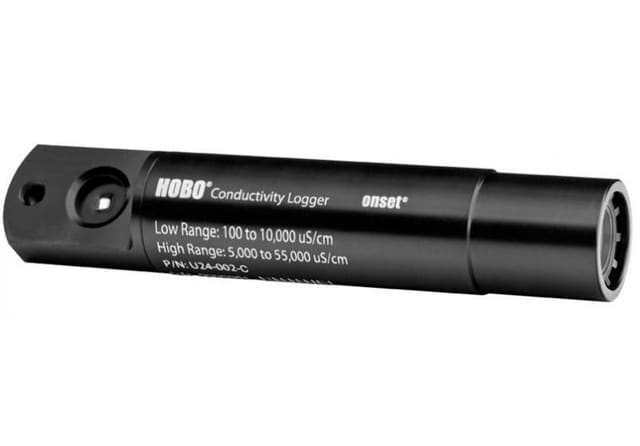
In a study off the southern Baltic coast, a conductivity sensor moored at 2 m with a used TBT cell was out of specification at the first comparison after deployment, on day 32; with a UVC emitter, the last references, after 237 days, were within the margin. What this changes when planning visits and references.
On 31 October 2026 AEMET and the SMC published an analysis of the Montseny summit series, which joins two sites and fills the gaps from 2001 to 2010. What it teaches anyone planning to move a station or change a sensor.
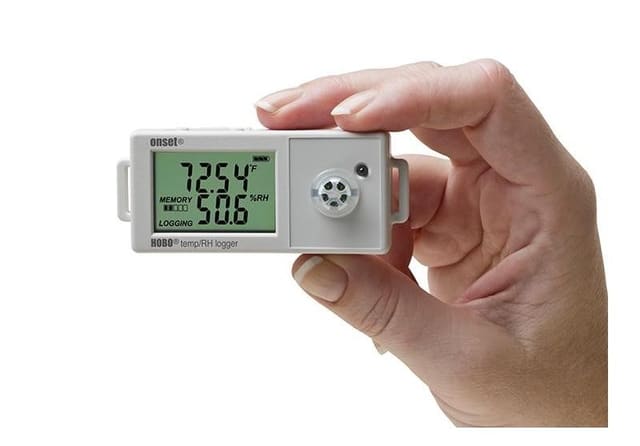
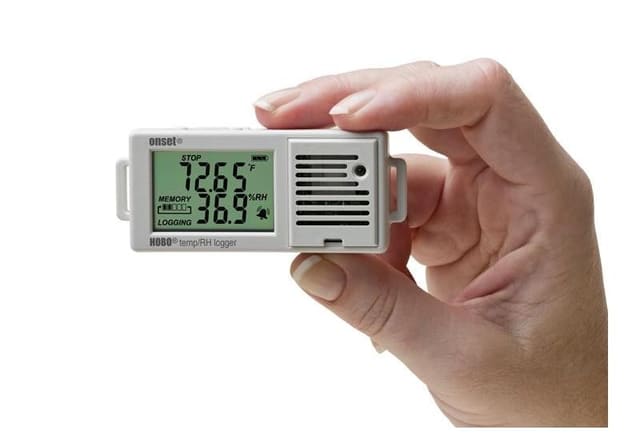
One hour or less between readings, at least 13 months of data to apply the EN 15757 standard, and a first campaign with many points before deciding how many loggers to keep. These are the decisions supported by two studies in Valencia museums and a US National Park Service guide.
AEMET expects a week that will probably be warmer than normal in southern Spain, with possible night frosts inland in the north and the heaviest rain in the Mediterranean area and the Balearics. Four official signals, including the new regionalised seasonal forecasts, and what to measure with each.
The week's four articles (the logger's clock, the vaccine refrigerator, the European climate resilience law and replacing a humidity sensor), three signals with their sources (the Commission's new tools, the WMO greenhouse gas bulletin and climate indicators for tourism in southern Catalonia) and what comes next: COP31 from 9 November.
A study of 55 UK stations detected changes in measurement technique in humidity records; at one station, smaller detections were linked to routine sensor replacements. What it allows you to conclude, what it does not, and what to log in your own record.
On 27 October 2026 the European Commission proposed the European Climate Resilience Law, with a reference global warming trajectory and periodic risk assessments. What that information describes, what it does not describe about your site and what is worth recording.
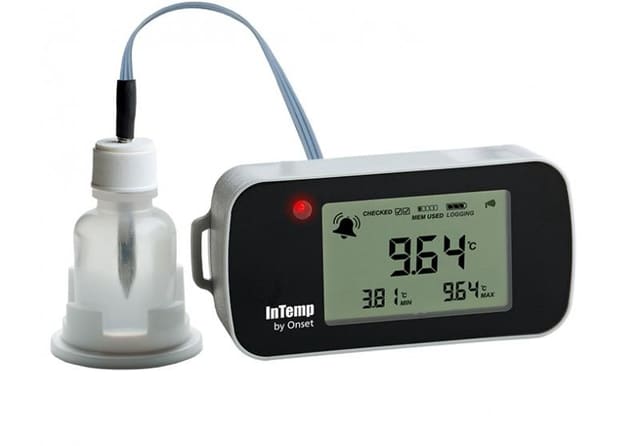
In a German study of 75 vaccine refrigerators, only 24 stayed between 2 and 8 °C over seven days of logging. How to decide where the probe goes, whether it sits in air or in a buffer, how often to log and who reviews the data, drawing on guidance from Madrid and the Basque Country.
AEMET expects a settled week with temperatures high for the time of year and scant rain, and more uncertainty from 2 November. Four signals and what to check in your series, starting with the time: on Sunday 25 October, official time in mainland Spain and the Balearic Islands went from UTC+2 to UTC+1.